
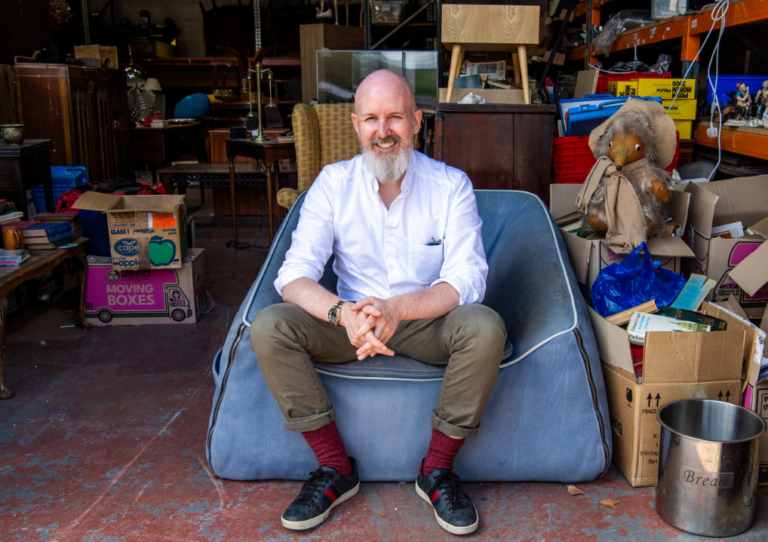
Brendan O’Shea founded Just Clear in south-west London in 2012 with a single van. His business now runs eight vans from its original yard, has franchises across England and Wales, and is opening in Scotland. The team clears 15 to 20 probate properties a day, with probate work accounting for more than half of the business. A Guardian feature by Emily Retter follows him and his team into an elderly music lover’s home, cleared after his death around Christmas.
O’Shea recalls his first hoarding clearance, entering through a window because the doors had not opened in more than twenty years. Inside were forty-two tonnes of newspapers, rodents, fleas and human waste stored in bottles and jars. He tells the Guardian he now sees more hoarding since the pandemic, particularly food stockpiling, and describes second-generation hoards where a parent’s collecting has continued through a child.
Dr Stuart Whomsley, describes hoarding as a defensive wall of objects built against emotional pain. He notes that a meaningful relationship with belongings is healthy, and that objects hold memories and identity. The article credits the World Health Organization with recognising hoarding as a psychiatric condition in 2018.