
Gloucester’s hoarding programme keeps people in their homes
The council brought in Hoarding UK to train staff and run six support groups. Prof Sharon Morein, of the UK Hoarding Network and Partnership, tells the Guardian that local authorities are beginning to listen.
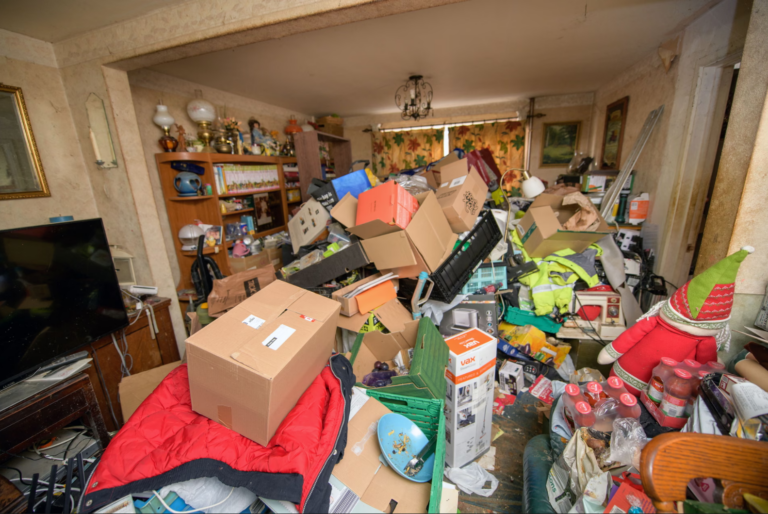
Gloucester City Council launched its hoarding care and support initiative in April 2024, after two years of planning. They brought in national charity Hoarding UK to design the programme and train officers across multiple agencies.
Six support groups now run alongside teams offering personalised psychological support, decluttering and home safety improvements, with teams staying involved for as long as residents need them.
James Dykes, the council’s housing regulation, resettlement and projects manager, told the Guardian the previous approach was expensive and unsustainable. Children were being raised in unsafe homes, families were being made homeless, and residents were stuck in hospital because they could not return to their properties. A forced clearance would have cost the council around six thousand pounds and left Carol back where she started within months. That same sum, spread over a longer period, is producing recovery instead.
Hoarding is thought to affect between 2.5% and 6% of the population. In 2022, the London Fire Brigade attended 1,036 fires linked to hoarding, resulting in 186 injuries and ten deaths. In Wales, hoarding accounts for almost a third of deaths from fires. Only recognised as a standalone mental health disorder in 2013, the condition remains poorly researched and heavily stigmatised, with sufferers still routinely portrayed as lazy or slovenly rather than unwell.
Prof Sharon Morein, a member of the UK Hoarding Network and Partnership, told the paper that recognition and funding are still lacking, but that the picture is starting to shift. The network includes more than 200 professionals across sectors, and local authorities are gradually beginning to listen. Heather Matuozzo, director of Clouds End and a longstanding partner of the network, runs three support groups across Solihull and Birmingham. She estimates that only around six councils across the UK are actively working on hoarding in this way, but says the work they are doing is exceptional.