
'I want a tidy life, but I can't do it on my own'
Edward Brown has helped set up a Blackburn peer support group for people living with hoarding disorder. He told BBC News about the overwhelming psychological distress the condition brings, and the trauma at its root.
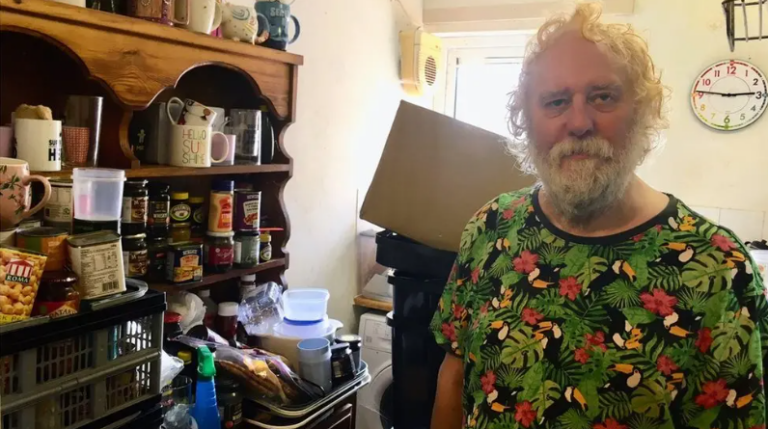
Edward Brown, 60, is helping run a new peer support group in Blackburn for people living with hoarding disorder. His own flat holds jars, tins, cups, cuddly toys, CDs and bags of items, some overflowing and others waiting to be filled.
The peer support scheme is a pilot from Blackburn with Darwen Borough Council working with Hoarding UK, a UKHP member charity. Michelle Rutherford, the council’s neighbourhood manager, told the BBC that hoarding is a big issue in the borough but much of it is hidden. Sessions run monthly and without judgment. Simply clearing a house, she said, does not resolve the underlying problem and can be deeply traumatic.
Lancashire Fire and Rescue Service has also changed how it responds. Edward once faced eviction after a heating engineer reported his flat as a fire hazard, and a fire officer gave him two weeks to sort it. His psychiatrist later called the ultimatum “totally unrealistic”. Kirsty McLoughlin, the service’s hoarding lead, said clearances or short deadlines can retraumatise people. Officers now tailor advice, put emergency escape plans in place and bridge people into other support.
UKHP’s position, set out in our 2025 open letter to government, is that hoarding is a complex mental health condition that goes beyond clutter or lifestyle. Edward’s story shows what changes when local services listen instead of imposing deadlines. It also shows how much people who hoard are still expected to solve on their own. In his words: “I want a nice life, a tidy life, but I can’t do it on my own.”